The Valley of the Kings is one of the most important archaeological sites in Egypt. Located on the west bank of the Nile in Luxor, this desert valley served as a royal cemetery for many rulers of the New Kingdom. Its hidden tombs, painted walls and elaborate funerary texts provide an exceptional record of ancient Egyptian history and beliefs about the afterlife.
Unlike the enormous pyramids built for earlier kings, the royal tombs here were cut deep into the surrounding limestone hills. Their concealed entrances and underground chambers were designed to protect royal burials while creating sacred spaces for the journey believed to follow death.
The valley became internationally famous after the discovery of Tutankhamun’s tomb in 1922. Yet the young king’s burial is only one part of a much larger story involving generations of pharaohs, royal officials, skilled craftsmen and religious traditions that developed over centuries.
Today, the Valley of the Kings is an essential destination for understanding ancient Egyptian funerary architecture, royal traditions and artistic achievement. Each tomb has its own arrangement, decoration and historical significance, making the site much more than a collection of burial chambers.
Where Is the Valley of the Kings in Luxor, Egypt?
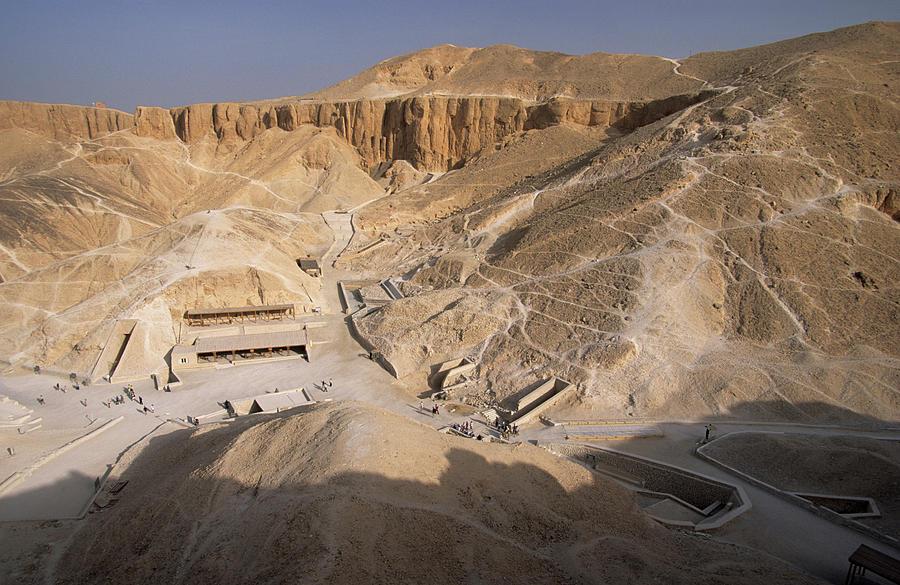
The Valley of the Kings is located on the west bank of the Nile in Luxor, Upper Egypt. It lies within the ancient Theban necropolis, an extensive archaeological landscape containing royal tombs, mortuary temples and other remains connected with the history of ancient Thebes.
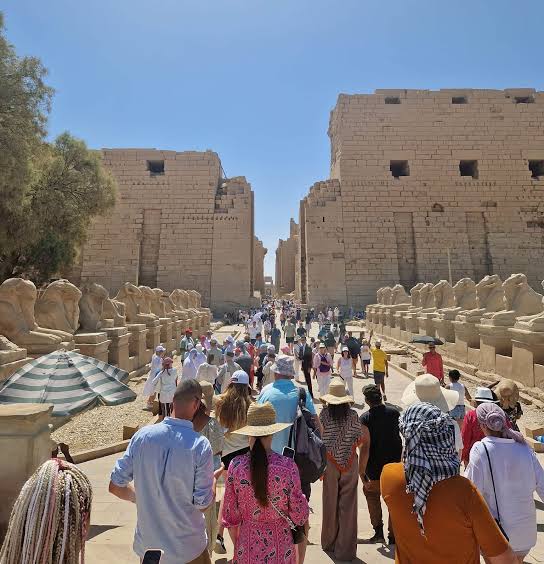
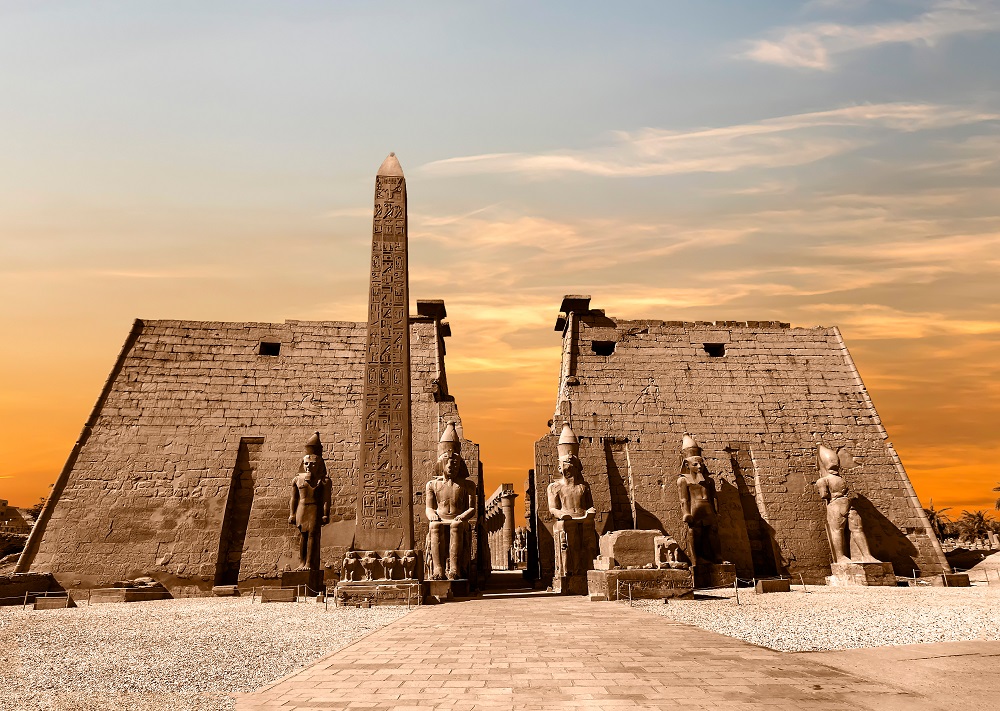
The Nile divided ancient Thebes into two broad landscapes with different religious associations. The east bank contained major religious centres such as Karnak and Luxor Temple, while the west bank became closely associated with royal burials and funerary monuments.
The valley is set among dry limestone hills and desert formations. Its location and natural landscape helped create a distinctive setting for the rock-cut tombs, which are reached through a managed archaeological visitor area.
The wider area is part of Ancient Thebes with its Necropolis , inscribed on the UNESCO World Heritage List in 1979.
History of the Valley of the Kings: From the Pharaohs to Modern Discovery
The Valley of the Kings developed primarily during the New Kingdom, a period when Egypt was a major political and cultural power. Rulers of the Eighteenth, Nineteenth and Twentieth Dynasties used the valley as a burial place, creating tombs intended to support their journey into the afterlife.
Why did royal burials move away from pyramids?
Earlier Egyptian kings are famously associated with monumental pyramids. During the New Kingdom, royal burial practices developed in a different direction. Tombs were excavated into the rock of the Theban hills, with entrances and underground passages that could be concealed within the landscape.
This change did not mean that royal tombs became simple. Instead, many were elaborate underground structures with corridors, chambers, pillars, painted ceilings and inscriptions. Their decoration expressed religious ideas about the sun, the gods, the king and the afterlife.
The Eighteenth Dynasty
The Eighteenth Dynasty was an important period in the development of the royal necropolis. Pharaohs and officials established traditions for tomb planning, decoration and burial that continued to evolve through later dynasties.
The tombs were created by highly skilled workers who understood rock cutting, painting, carving and the complex religious symbolism used in royal funerary spaces. Their work preserves evidence of both royal ideology and the craftsmanship of ancient Egyptian society.
The Nineteenth and Twentieth Dynasties
Later New Kingdom rulers continued to commission tombs in the valley. Their burial chambers often contain extensive illustrations and funerary texts. The decoration varies from tomb to tomb, reflecting differences in date, design, royal preference and the religious traditions represented.
These tombs are valuable historical sources. They allow researchers to study changes in artistic style, religious literature and the ways Egyptian rulers presented their relationship with the gods.
Rediscovery and archaeological exploration
The valley was known in antiquity and explored by visitors, scholars and archaeologists over many centuries. Some tombs remained known, while others were buried or concealed beneath debris and the changing surface of the landscape.
Modern archaeological work has documented tombs, inscriptions, objects and evidence of ancient activity. The site continues to require careful conservation and management because its fragile decorated surfaces can be affected by environmental conditions and visitor activity.
Why Was the Valley of the Kings Built?
The Valley of the Kings was used as a royal burial ground because ancient Egyptians placed great importance on preparing for life after death. Royal tombs were not simply places to store a body and burial objects. They were designed as sacred environments connected with religious beliefs about transformation, protection and rebirth.
The tomb’s passages and chambers could represent stages in the deceased king’s journey through the afterlife. Religious scenes and texts provided guidance, protection and a framework for understanding the dangers and transformations believed to follow death.
Protection of royal burials
Rock-cut tombs offered a different form of burial architecture from the conspicuous pyramids of earlier periods. Their entrances could be concealed, and their chambers extended into the surrounding hills. However, concealment did not guarantee protection: many royal tombs were robbed in antiquity.
Religious meaning of the tombs
Ancient Egyptian funerary beliefs included ideas about the journey of the sun, the judgement of the dead, divine protection and the renewal of life. Tomb texts and images helped express these beliefs and connected the king with the divine world.
The decoration of a tomb therefore has a meaning beyond artistic beauty. It can reveal how ancient Egyptians understood the cosmos, the gods and the hoped-for fate of the deceased ruler.
Tutankhamun’s Tomb (KV62): The Discovery That Captured the World
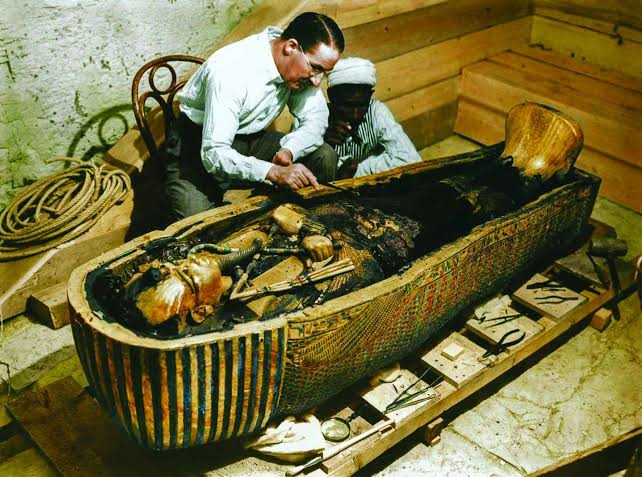
Tutankhamun is among the best-known pharaohs of ancient Egypt, largely because of the discovery of his tomb in the Valley of the Kings in 1922. The tomb is designated KV62 in the archaeological numbering system used for the valley’s tombs.
Archaeologist Howard Carter led the excavation that brought the tomb to international attention. Compared with many royal burials that had been robbed or disturbed in antiquity, Tutankhamun’s tomb preserved an exceptional collection of burial objects and materials.
The discovery provided an extraordinary opportunity to study royal burial practices, craftsmanship and material culture. Objects associated with the tomb included furniture, vessels, ceremonial items and other objects connected with the king’s burial.
Why is Tutankhamun’s tomb so important?
The importance of KV62 extends beyond its famous treasures. Its contents offer evidence of the materials, artistic techniques and ritual objects used in a royal burial. Researchers can study the objects together with the tomb’s architecture and historical context.
Tutankhamun’s reign was relatively short, and he was not among the most powerful rulers in Egyptian history. Yet the survival and discovery of his burial made him a central figure in the modern public understanding of ancient Egypt.
Can visitors enter Tutankhamun’s tomb?
Visitor access, ticket arrangements and conservation measures can change. Before travelling, consult the official information from Egypt’s Ministry of Tourism and Antiquities to confirm whether the tomb is open and whether an additional ticket is required.
For official historical information, see the Ministry of Tourism and Antiquities page about Tutankhamun’s tomb .
Famous Tombs in the Valley of the Kings
The Valley of the Kings contains many tombs, each with its own layout, decoration and history. The tombs open to visitors can vary, so it is best to check the current official access arrangements rather than assume every tomb will be available.
Tutankhamun’s tomb (KV62)
KV62 is famous for its discovery in 1922 and the remarkable burial assemblage associated with the young king. Its place in archaeological history makes it one of the most widely recognized tombs in Egypt.
The tomb of Ramesses VI (KV9)
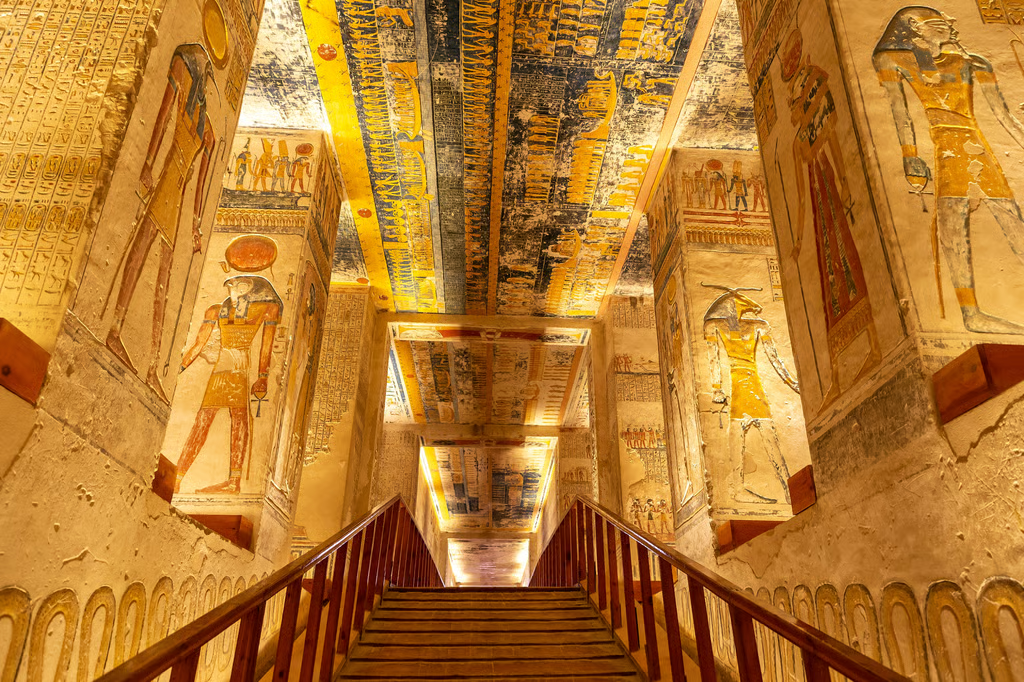
The tomb of Ramesses VI is known for its extensive decorative programme and funerary texts. Its painted surfaces provide an opportunity to examine the relationship between royal tomb architecture, religious literature and ancient Egyptian artistic traditions.
The official Ministry of Tourism and Antiquities page about the tomb of Ramesses VI provides additional historical context.
The tomb of Seti I (KV17)
The tomb associated with Seti I is one of the most celebrated royal tombs in the valley. It is known for its complex arrangement and richly decorated chambers. Its historical and artistic importance has made it a major subject of archaeological study.
Other royal tombs
The valley includes tombs connected with several New Kingdom rulers. Their sizes, passage arrangements, decoration and inscriptions differ. These variations help researchers understand how royal funerary traditions changed over time.
Ancient Egyptian Tomb Paintings, Hieroglyphs and Afterlife Beliefs
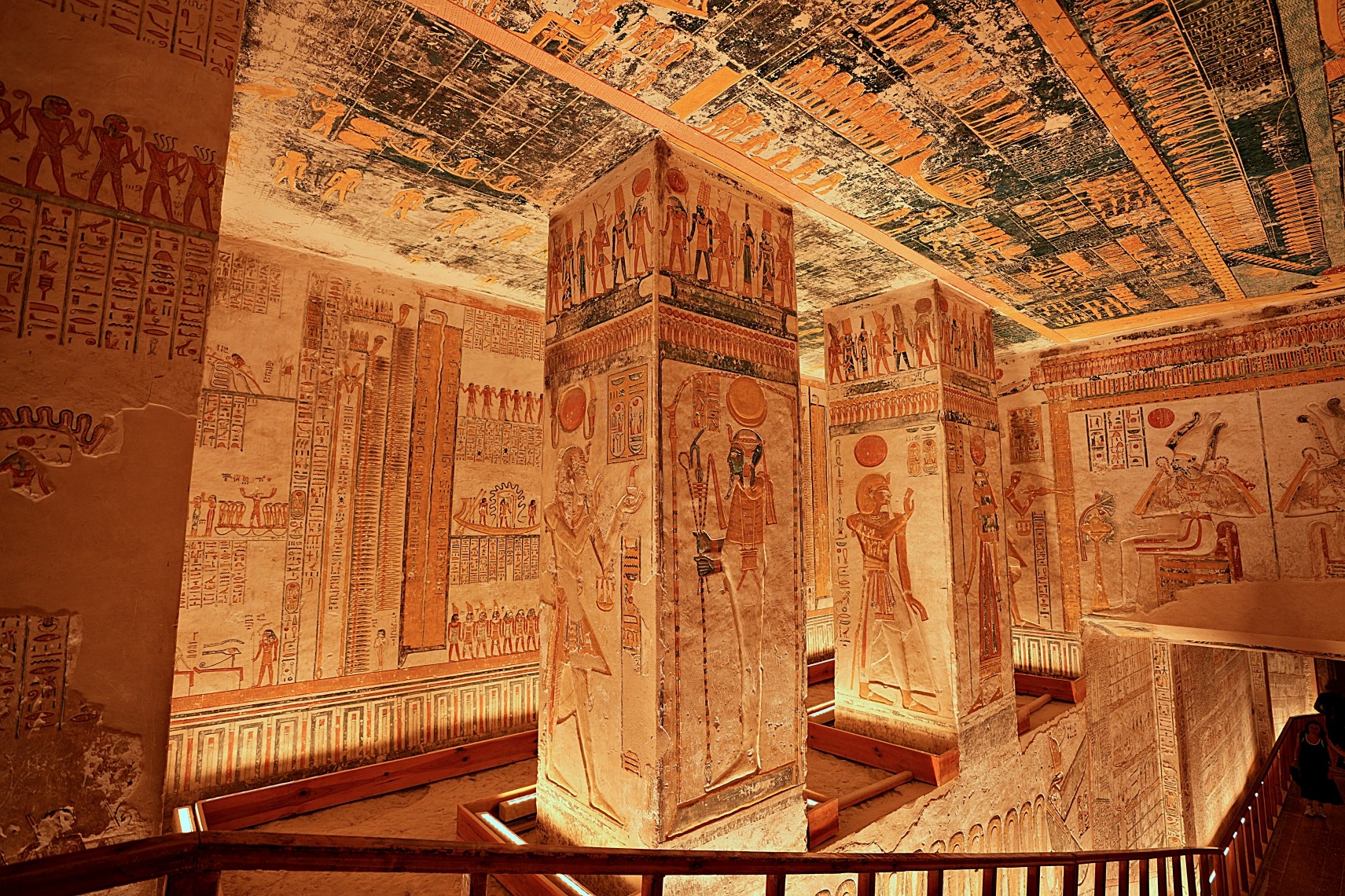
The decorated walls of the Valley of the Kings are among its most remarkable features. Painted figures, hieroglyphic inscriptions, symbolic objects and scenes from religious texts turn the tomb interiors into carefully planned visual environments.
The decoration was not simply intended to make a chamber attractive. It was connected with the deceased king’s hoped-for transformation and journey through the afterlife. The images and texts communicated religious ideas and provided symbolic protection.
What do the paintings represent?
Depending on the tomb, scenes may include deities, royal figures, symbolic landscapes, celestial imagery and passages from funerary compositions. Their precise content differs according to the tomb’s date, design and religious programme.
Why are hieroglyphs important?
Hieroglyphic inscriptions preserve royal names, religious texts, invocations and other information. When studied alongside images and architecture, they help researchers understand the meaning of the burial chambers and the traditions they represent.
How have the colours survived?
Ancient artists used mineral-based pigments and carefully prepared surfaces to create painted decoration. Some colours have survived for thousands of years, although environmental conditions, past disturbance and modern visitor activity can affect fragile surfaces.
Conservation is therefore essential. Visitors should avoid touching painted walls and must follow any photography restrictions and instructions given by site staff.
How Were the Royal Tombs Designed and Cut into Rock?
The tombs in the Valley of the Kings were excavated directly into the surrounding rock. Their designers planned corridors, chambers and burial spaces within the natural geology of the hills. The final form of each tomb depended on the available rock, the construction programme and the traditions followed during that ruler’s reign.
Corridors and chambers
Many tombs contain a sequence of descending passages, corridors, rooms and a burial chamber. The arrangement differs from one tomb to another. Some have extensive decorative programmes, while others are more limited in size or preservation.
Carving and preparation
Creating a tomb required careful excavation and the preparation of rock surfaces. Artisans then drew, carved or painted decorative scenes and inscriptions. The work brought together technical knowledge, artistic skill and a detailed understanding of religious imagery.
Engineering in the desert landscape
The tombs demonstrate how ancient builders adapted architecture to the natural environment. Rather than constructing a freestanding monument above ground, they created extensive spaces within the hills themselves. This approach produced distinctive underground architectural environments.
East Valley and West Valley: What Is the Difference?
The Valley of the Kings is commonly discussed in terms of the East Valley and the West Valley. The East Valley contains the majority of the best-known tombs and is the principal area visited by most travellers. The West Valley contains fewer tombs, including the important tomb associated with Amenhotep III.
The two areas form part of the same wider royal necropolis, but they differ in the distribution of tombs and their archaeological histories. The distinction can be useful when reading about individual tombs or planning a visit.
Because the number of accessible tombs and visitor routes can change, check the site’s current official information rather than planning around a fixed list from an older guide. A knowledgeable guide can help explain the differences between tombs without rushing through their details.
What to See in the Valley of the Kings
- Decorated tomb corridors: Notice how scenes and texts continue from one chamber to another.
- Burial chambers: Observe the layout, painted ceilings and the central position of the burial area where accessible.
- Hieroglyphic inscriptions: Look for royal names, divine figures and carefully arranged columns of text.
- Rock-cut architecture: Compare the lengths and angles of passages across different tombs.
- Desert landscape: Take in the cliffs and the natural form of the valley that helped shape its use as a royal cemetery.
- Site interpretation: Use official signs or a qualified guide to understand what makes each tomb distinctive.
Visitors should not expect every tomb to be open at once. Conservation and management requirements may lead to temporary closures or rotating access.
Best Time to Visit the Valley of the Kings
Luxor can be very hot, particularly in late spring and summer. Many visitors prefer to arrive early in the day to explore before the strongest heat, although exact opening times should be checked shortly before travelling. In cooler months, comfortable temperatures can make a longer visit easier.
Wear supportive walking shoes, carry drinking water where permitted, and bring sun protection for exposed outdoor areas. Inside tombs, follow staff instructions, avoid touching decorated walls and respect photography restrictions.
If you are combining the Valley of the Kings with other West Bank monuments, allow enough time for transfers and ticket arrangements. Trying to see every site in a rushed schedule can reduce the time available to appreciate the tombs.
Valley of the Kings Tickets, Opening Hours and Visitor Rules
Ticket prices, included tombs, extra-ticket attractions, opening hours and access conditions can change. The safest approach is to check the official Ministry of Tourism and Antiquities website or the ticket office close to your travel date. Do not rely on prices copied from old blog posts.
Some tombs may require an additional ticket, and certain areas may be closed for conservation. Keep your ticket until the visit is complete, follow the instructions of site staff and check whether photography is allowed in each area before taking pictures.
For current official information, consult the Ministry of Tourism and Antiquities page for the Valley of the Kings .
Places to Visit Near the Valley of the Kings
The west bank of Luxor contains several major monuments that help place the royal tombs in their wider historical setting.
- Temple of Hatshepsut at Deir el-Bahari: A terraced mortuary temple set against dramatic limestone cliffs.
- Valley of the Queens: A separate burial area associated with queens and members of royal families.
- Colossi of Memnon: Two monumental statues that survive from the mortuary temple of Amenhotep III.
- Medinet Habu: The extensive mortuary temple of Ramesses III, known for its architecture and reliefs.
- Deir el-Medina: The settlement and tombs associated with workers who helped create royal tombs.
These sites form part of the wider archaeological landscape of Ancient Thebes and its Necropolis, recognized by UNESCO for its exceptional cultural significance.
The Valley of the Kings and UNESCO World Heritage
The Valley of the Kings forms part of the World Heritage property known as Ancient Thebes with its Necropolis, inscribed in 1979. The property brings together the temples of Karnak and Luxor on the east bank with royal tombs, mortuary temples and other archaeological remains on the west bank.
The site is important not only because of famous rulers or individual discoveries, but also because its tombs preserve evidence of ancient Egyptian beliefs, artistic techniques, royal authority and funerary practices across several centuries.
Preserving the site is a shared responsibility. Staying on marked paths, respecting restricted areas and following conservation guidance helps protect the tombs for future research and future visitors.
Why the Valley of the Kings Is One of Egypt’s Most Remarkable Ancient Sites
The Valley of the Kings offers an extraordinary view into the world of New Kingdom Egypt. Its rock-cut tombs, painted chambers, hieroglyphic texts and dramatic desert landscape reveal how pharaohs prepared for the afterlife and how generations of artisans transformed natural rock into elaborate royal monuments.
From the worldwide fame of Tutankhamun’s tomb to the detailed funerary decoration of other royal burial chambers, the valley rewards visitors who take time to look closely and learn the story behind the images. It is also an essential part of the larger history of ancient Thebes, alongside the temples and settlements of Luxor’s west bank.
Whether you are researching the Valley of the Kings in Luxor, planning a cultural trip to Egypt or studying ancient Egyptian history, the most rewarding visit combines careful preparation with respect for this irreplaceable archaeological site.
Common questions
Frequently Asked Questions About the Valley of the Kings
1. Where is the Valley of the Kings located?
The Valley of the Kings is on the west bank of the Nile in Luxor, southern Egypt, within the ancient Theban necropolis.
2. Why is the Valley of the Kings famous?
It is famous for the rock-cut royal tombs of Egypt’s New Kingdom rulers, its decorated chambers and the discovery of Tutankhamun’s tomb.
3. How many tombs are in the Valley of the Kings?
Egypt’s official monuments authority reports more than sixty tombs, along with additional unfinished tombs. The number visitors can enter may vary.
4. Who was buried in the Valley of the Kings?
Many rulers of the Eighteenth, Nineteenth and Twentieth Dynasties were buried here, along with some royal family members and other important individuals.
5. When was Tutankhamun’s tomb discovered?
Howard Carter discovered Tutankhamun’s tomb, designated KV62, in 1922.
6. Can you visit Tutankhamun’s tomb?
Access arrangements and any additional ticket requirements can change. Check current official information before your visit.
7. What are the best tombs to see?
Tutankhamun’s tomb and the tombs of Ramesses VI and Seti I are among the best-known examples, subject to current access and conservation arrangements.
8. How long should I spend at the Valley of the Kings?
Many visitors allow several hours, depending on the number of tombs open, their interest in archaeology and whether they visit other west-bank sites on the same day.
9. What is the best time to visit?
Arriving early can help visitors avoid the strongest midday heat. Check current opening hours and seasonal conditions before travelling.
10. Is the Valley of the Kings a UNESCO World Heritage Site?
Yes. It forms part of Ancient Thebes with its Necropolis, inscribed on the UNESCO World Heritage List in 1979.
Historical References and Further Reading
This article is an educational introduction based on official archaeological and heritage resources. Check the official sources below for updated visitor information and further historical context.
- Egypt’s Ministry of Tourism and Antiquities — Valley of the Kings
- Egypt’s Ministry of Tourism and Antiquities — Tomb of Tutankhamun
- Egypt’s Ministry of Tourism and Antiquities — Tomb of Ramesses VI
- UNESCO World Heritage Centre — Ancient Thebes with its Necropolis
Opening hours, ticket prices, tomb access and photography rules can change. Confirm current arrangements with official sources before visiting.